



No. 1 in the Missouri Native Series
Purple Coneflower
Echinacea purpurea
Missouri Native Series No. 1. Magenta coneflowers for sun or part shade, May to August. Bees, butterflies and goldfinches love it.
- Missouri native seed, packed for 2027
- Postmarked to sow December to February, outdoors (winter sowing)
- Grow Guarantee: if it doesn't come up after you follow the guide, we'll send a replacement
About this plant
No. 1 had to be the purple coneflower. It’s the flower most people picture when they hear “native garden,” and it earns the spot. It grows wild in open woods and prairies across most of Missouri, blooms from late spring through summer, and asks for very little once its roots are down.
Bees and butterflies work the flowers all summer. Leave the seed heads standing in fall and goldfinches will pick them clean. It’s an easy first stamp for any collection, and one of the few in the series that will sprout without a winter chill, though a winter outdoors helps it come up evenly.
Each packet is hand-filled in St. Charles County, Missouri, and printed like a vintage postage stamp, with a postmark that tells you when to sow.
How to grow
- Pick the spot. Full sun to part shade, in almost any soil that doesn’t stay soggy.
- Sow in winter (best). Between December and February, scatter the seed on bare, weed-free soil or in a winter-sowing jug and cover it lightly, about 1/8 inch. Cold and moisture do the rest, and sprouts come up in spring. See our winter sowing guide.
- Or sow in spring. Purple coneflower doesn’t need a chill, so you can also sow from March to May on moist soil. For more even germination, chill the seed in damp sand in the fridge for 30–60 days first (the fridge method).
- Water the first summer. Keep seedlings from drying out while their roots grow. After that, it handles dry spells well.
- Leave the seed heads. Goldfinches feed on them into winter. Cut a few if you’d rather not have volunteer seedlings.
Good neighbors
Species from the series that grow well alongside Purple Coneflower:
- No. 3 Black-eyed Susan
 No. 3, Black-eyed Susan
- No. 7 Wild Bergamot
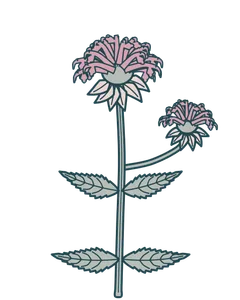 No. 7, Wild Bergamot
- No. 4 Butterfly Milkweed
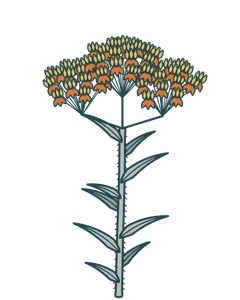 No. 4, Butterfly Milkweed
- No. 9 Rough Blazing Star
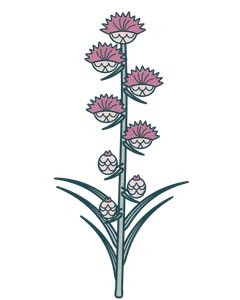 No. 9, Rough Blazing Star
Questions
Does purple coneflower need cold stratification?
No. It germinates without treatment (Prairie Moon germination code A). The Lady Bird Johnson Wildflower Center notes that two months of cold-moist stratification improves germination, so a winter outdoors is still the best way to sow it.
Will it bloom the first year?
Sometimes. Prairie Moon Nursery says first-year bloom is possible from seed when conditions are right, and very likely by the second year.
Will it take over my garden?
It reseeds where it’s happy, and the Lady Bird Johnson Wildflower Center notes it can become aggressive in ideal conditions. Cutting the seed heads after bloom keeps it in check.
How many seeds are in a packet?
The seed count is printed on the back of every packet, along with the lot number and the germination test result and date.
Sources for these facts
- Grow Native! (Missouri Prairie Foundation): Purple Coneflower (checked 2026-10-13)
- Lady Bird Johnson Wildflower Center: Echinacea purpurea (checked 2026-10-13)
- Missouri Department of Conservation: Field Guide: Purple Coneflower (checked 2026-10-13)
- Missouri Wildflowers Nursery: Echinacea purpurea (Purple Coneflower) (checked 2026-10-13)
- NC State Extension Gardener Plant Toolbox: Echinacea purpurea (checked 2026-10-13)
- Prairie Moon Nursery: Germination codes and instructions (checked 2026-10-13)
- Prairie Moon Nursery: Echinacea purpurea (Purple Coneflower) (checked 2026-10-13)