



No. 12 in the Missouri Native Series
Golden Alexanders
Zizia aurea
Missouri Native Series No. 12. The season opener: yellow spring blooms for early bees and a host plant for black swallowtails.
- Missouri native seed, packed for 2027
- Postmarked to sow December to February, outdoors (winter sowing)
- Grow Guarantee: if it doesn't come up after you follow the guide, we'll send a replacement
About this plant
Golden Alexanders opens the season. Its flat clusters of tiny yellow flowers appear in April and May, when early bees and flies are hungry, and its leaves feed black swallowtail and Ozark swallowtail caterpillars.
It grows wild almost statewide, in more kinds of habitat than any of its Missouri relatives: woods, prairies, glades and stream banks. It handles part shade and ordinary soil, which makes it one of the most adaptable stamps in the series.
It germinates best in cool soil after a winter outdoors, so sow it in fall or winter. It self-sows readily; snip the spent flowers if you’d like it to stay put. Each packet is hand-filled in St. Charles County, Missouri.
Good to know
- Self-seeds readily. Cut spent flower heads if you want to keep it in one spot.
- Carrot-family look-alikes include poison hemlock and water hemlock. Never eat wild plants in this family.
How to grow
- Pick the spot. Full sun to part shade, in average to moist soil. It’s a good choice for a woodland edge.
- Sow outdoors in fall or winter. Between October and February (fall is best), sow on bare, weed-free soil or in a winter-sowing jug and cover lightly, about 1/8 inch. See our winter sowing guide.
- Skip the fridge if you can. Prairie Moon notes artificial stratification may not work as well for this species. If you missed winter, sow outdoors in early spring while the soil is still cool.
- Be patient. Expect one to three years to first bloom.
- Deadhead to keep it in place. It self-seeds readily. Leave a few flower heads if you’d like more plants.
Good neighbors
Species from the series that grow well alongside Golden Alexanders:
- No. 10 New England Aster
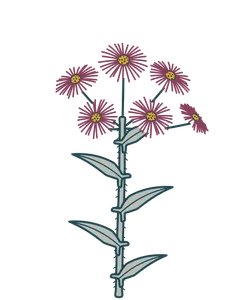 No. 10, New England Aster
- No. 5 Swamp Milkweed
 No. 5, Swamp Milkweed
- No. 1 Purple Coneflower
 No. 1, Purple Coneflower
- No. 7 Wild Bergamot
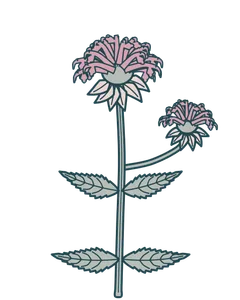 No. 7, Wild Bergamot
Questions
Is golden alexanders a host plant?
Yes. Grow Native! notes that black swallowtail and Ozark swallowtail caterpillars feed on its leaves and flowers. If you find caterpillars on it, that’s the plant doing its job.
Why sow it in fall instead of using the fridge?
Its seed germinates best in cool soil, and Prairie Moon says it’s best planted outdoors in fall because artificial stratification may not work well.
Will it spread?
By seed, not by roots. MDC notes it can become overly aggressive if allowed to produce seed, so cut spent flower heads if you want it to stay where you planted it.
Is it safe to eat?
Don’t eat it. It belongs to the carrot family, which includes very poisonous look-alikes such as poison hemlock and water hemlock. We never recommend eating wild carrot-family plants.
Sources for these facts
- Grow Native! (Missouri Prairie Foundation): Golden Alexanders (checked 2026-10-13)
- Lady Bird Johnson Wildflower Center: Zizia aurea (checked 2026-10-13)
- Missouri Department of Conservation: Field Guide: Common Golden Alexanders (checked 2026-10-13)
- NC State Extension Gardener Plant Toolbox: Zizia aurea (checked 2026-10-13)
- Prairie Moon Nursery: Germination codes and instructions (checked 2026-10-13)
- Prairie Moon Nursery: Zizia aurea (Golden Alexanders) (checked 2026-10-13)